
Asphalt Paving vs. Concrete: Choosing the Right Surface
People seeking asphalt paving vs. concrete: choosing the right surface often rely on local contractors who can help determine the best material for durability and appearance.
Deciding between asphalt paving and concrete for a property’s surface can be a significant choice for property owners looking to enhance functionality and curb appeal. Whether it’s for a driveway, parking lot, or walkway, understanding the differences helps in making an informed decision that aligns with practical needs and long-term goals. Property owners in the area often explore this topic to determine which material best suits their specific environment, budget, and maintenance preferences. Local contractors specializing in asphalt paving can provide valuable insights and quality installation services to ensure the chosen surface meets expectations and stands up to local conditions.
Asphalt paving services offered by experienced local contractors can be a key resource for those weighing their options. These professionals understand the unique demands of the area and can help guide property owners through the benefits and considerations of each surface type. Keeping this information in mind can make the decision-making process clearer and more tailored to individual property needs. Continuing to explore this topic can reveal practical advantages that influence the durability, appearance, and overall performance of a new surface, helping property owners choose the right option for their property’s specific requirements.
- Driveway Installation - homeowners choosing between asphalt paving vs. concrete for driveways can rely on local contractors to assess durability and aesthetic preferences.
- Parking Lot Paving - businesses seeking long-lasting surfaces for parking areas often work with local pros experienced in asphalt paving for cost-effective results.
- Pathway and Sidewalk Paving - local service providers can help determine if asphalt or concrete offers the best longevity and maintenance ease for walkways.
- Repaving and Resurfacing - when existing surfaces need renewal, local pros evaluate whether asphalt or concrete provides a better solution for traffic demands.
- Industrial Surface Projects - industrial clients can consult with local contractors to choose the right material based on load-bearing needs and surface longevity.
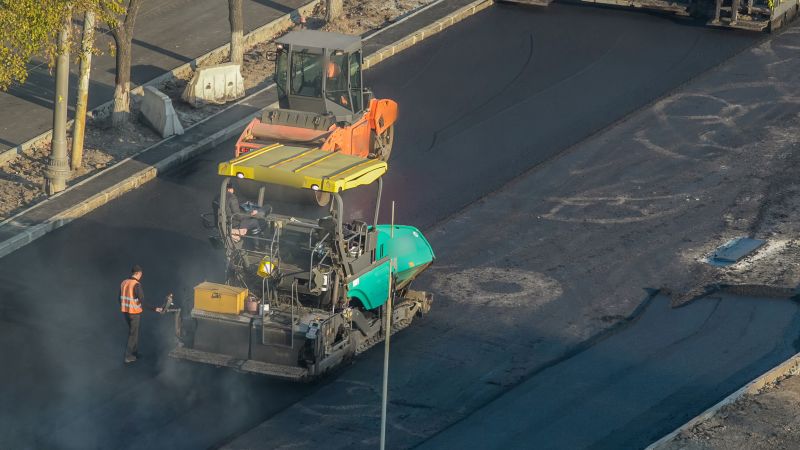
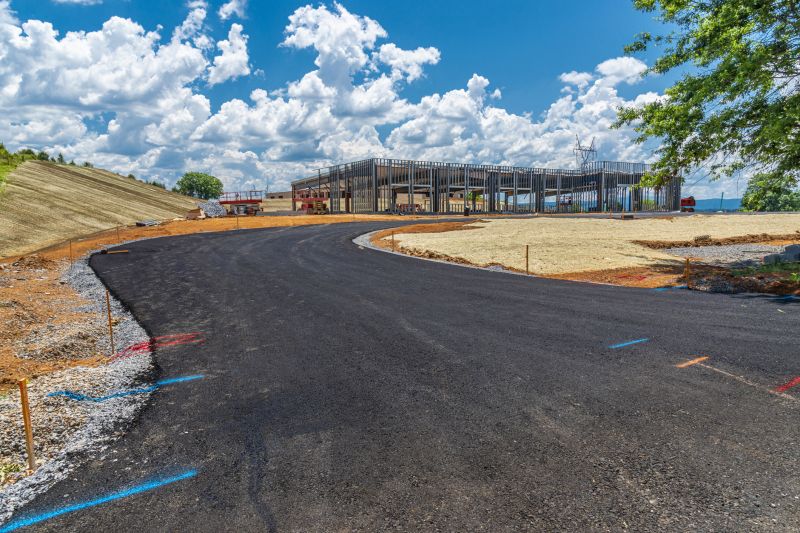
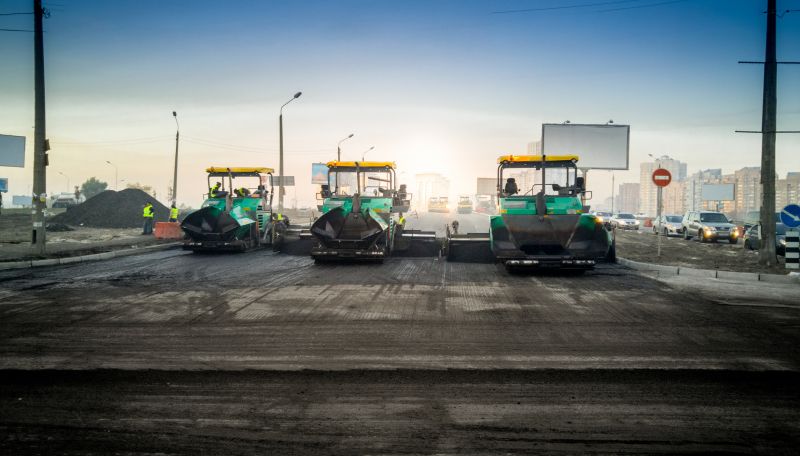
When homeowners search for information about asphalt paving vs. concrete: choosing the right surface, they are often trying to determine which material best suits their specific project needs. This topic typically comes up when planning improvements to driveways, walkways, parking lots, or other paved surfaces around residential properties. People want to understand the differences in durability, appearance, and maintenance requirements to make informed decisions. The goal is to select a surface that not only looks appealing but also withstands daily use and the local climate conditions, ensuring the investment lasts over time.
This comparison relates to a variety of property types, including single-family homes, multi-unit residential complexes, small business storefronts, and community facilities. Homeowners often consider asphalt paving or concrete when upgrading or replacing existing surfaces that have become cracked, uneven, or outdated. The choice can also be influenced by plans for expansion, the need for a smooth surface for vehicles or pedestrians, or the desire for a specific aesthetic. Understanding the strengths and limitations of each material helps property owners plan projects that improve functionality and curb appeal, while local contractors can provide tailored advice based on the property's unique features.
People exploring asphalt paving vs. concrete: choosing the right surface are usually concerned with factors like longevity, cost-effectiveness, and how well each material handles weather conditions. For example, asphalt tends to be more flexible and better suited for areas prone to temperature fluctuations, as it can expand and contract without cracking easily. Concrete, on the other hand, offers a more permanent, low-maintenance solution with a clean, polished appearance. Homeowners often seek guidance from local service providers who understand the climate and soil conditions in their area, ensuring the chosen surface will perform well over time and require minimal repairs.
Ultimately, selecting between asphalt paving and concrete involves considering the property's specific use, aesthetic preferences, and long-term maintenance expectations. Local contractors play a crucial role by assessing the property's conditions and helping homeowners weigh the benefits and drawbacks of each material. Whether the goal is a durable driveway, a smooth parking lot, or a decorative walkway, understanding how each surface performs in real-world scenarios helps homeowners make practical choices. Connecting with experienced service providers ensures that the project aligns with the property's needs and that the chosen surface will serve reliably for years to come.
Paving Driveways - local contractors skilled in asphalt and concrete paving can help determine the best surface for durability and appearance based on project needs.
Parking Lot Construction - planning and installing large-scale asphalt or concrete surfaces requires expertise in surface selection and proper planning from experienced service providers.
Sidewalk and Pathway Installation - local pros can advise on the most suitable material for pedestrian pathways, considering factors like load-bearing and aesthetics.
Sports Courts and Recreational Surfaces - choosing between asphalt and concrete for sports surfaces involves understanding surface performance, which local contractors can provide guidance on.
Commercial Flooring Projects - surface choices for commercial spaces often involve similar planning and installation skills as asphalt paving versus concrete discussions.
Sealcoating and Surface Repairs - maintaining asphalt surfaces requires specific techniques that local service providers can perform to extend the lifespan of paved areas.
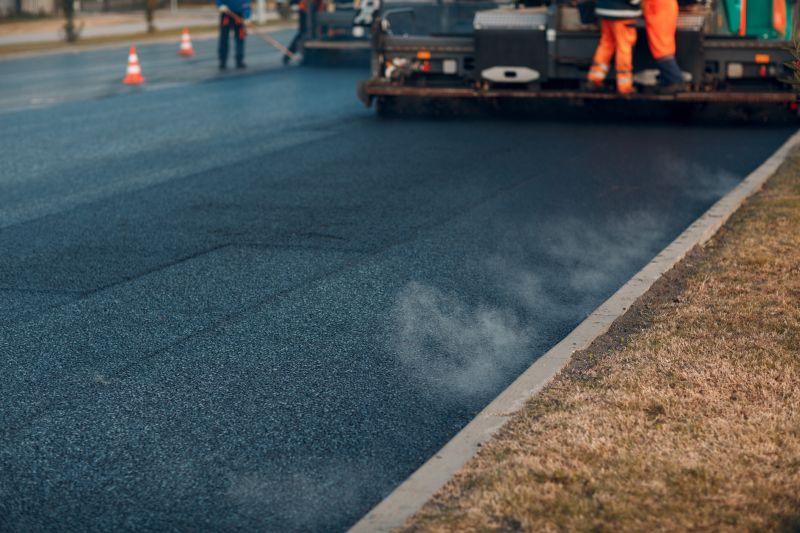
When comparing asphalt paving versus concrete for a home project, it is important to consider the experience of local contractors with similar types of work. Homeowners should inquire about the number of projects completed that closely resemble their own, such as driveways, walkways, or patios. Contractors with a proven track record in asphalt paving or concrete work are more likely to understand the specific challenges and best practices associated with each surface type, ensuring the chosen material will meet long-term expectations. Gathering references from previous clients who had comparable projects can provide valuable insight into the quality of work and reliability of the service provider.
Clear, written expectations are essential when evaluating local service providers for asphalt paving or concrete installation. Homeowners should seek detailed proposals that outline the scope of work, materials to be used, and the projected process for installation. This documentation helps prevent misunderstandings and ensures both parties are aligned on the project’s goals. When considering asphalt paving versus concrete, understanding the specific steps involved, the preparation required, and the finishing techniques can influence the decision-making process. A transparent contractor will be willing to provide comprehensive explanations, helping homeowners make informed choices based on their needs and preferences.
Effective communication and reputable references are key factors in selecting the right contractor for asphalt paving or concrete projects. Homeowners should look for service providers who are responsive, willing to answer questions, and provide clear guidance throughout the planning and installation process. Checking references or reviews from previous clients can reveal how well the contractor manages projects, adheres to timelines, and handles any issues that arise. Since asphalt paving and concrete work can vary significantly based on the contractor’s expertise and communication style, choosing a provider with a solid reputation and a history of transparent, professional interaction can contribute to a smoother project experience and a result that aligns with the homeowner’s expectations.
Property owners often search for asphalt paving vs. concrete: choosing the right surface when they are planning practical projects around their homes and businesses. Local pros provide Asphalt Paving services for everyday jobs and straightforward project options.
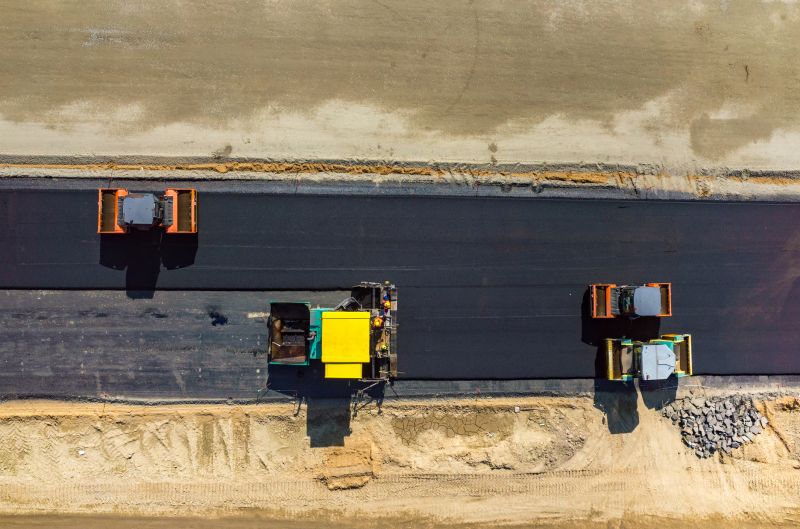
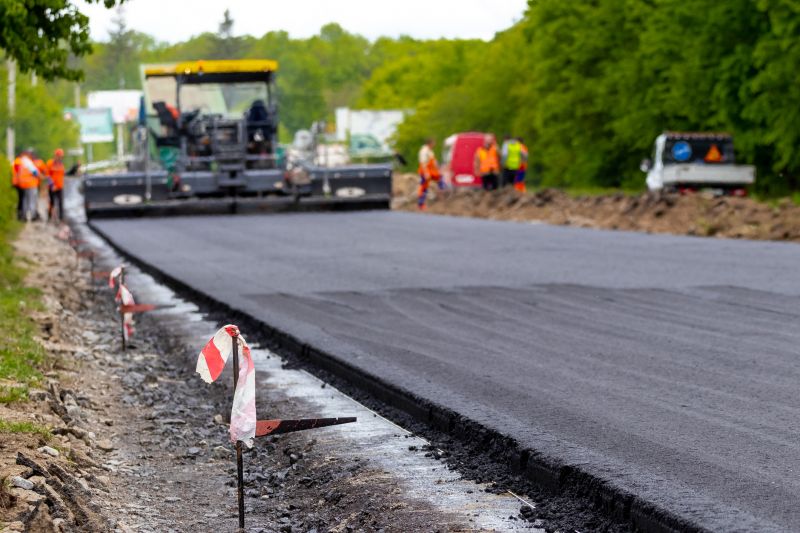
When considering driveway or parking lot projects, property owners often explore the differences between asphalt paving and concrete to determine which surface best suits their needs. Asphalt paving is known for its quick installation and smooth finish, making it a popular choice for those seeking a cost-effective and durable surface that can handle regular traffic. On the other hand, concrete offers a long-lasting, low-maintenance option that can withstand harsh weather conditions and heavy loads, which might appeal to property owners planning for a more permanent solution.
For those in the area evaluating surface options, local contractors specializing in asphalt paving can provide valuable insights into which material aligns with their project goals. Whether the focus is on affordability, longevity, or ease of maintenance, these service providers can help property owners understand the benefits and limitations of each surface type. Connecting with experienced local pros ensures that the chosen surface will meet the specific demands of the project, leading to a functional and visually appealing result.
What are the main differences between asphalt paving and concrete surfaces? Asphalt paving typically offers quicker installation and easier repairs, while concrete provides a more durable surface with a longer lifespan. Local contractors can help determine which material suits specific needs and conditions.
How does the maintenance for asphalt paving compare to concrete? Asphalt generally requires periodic sealing and repairs to prevent cracking, whereas concrete may need less frequent maintenance but can be more prone to cracking over time. Local service providers can advise on proper upkeep for each surface type.
Which surface is better suited for high-traffic areas? Concrete is often preferred for high-traffic areas due to its strength and durability, though asphalt can also handle heavy use with proper maintenance. Local contractors can recommend the best option based on traffic levels and usage.
Can asphalt paving be used in colder climates? Yes, asphalt performs well in colder climates and can be more flexible, reducing cracking caused by freeze-thaw cycles. Local pros can assess site conditions to recommend the most suitable surface material.
What factors should be considered when choosing between asphalt paving and concrete? Factors include durability, maintenance needs, installation time, and climate conditions. Local service providers can help evaluate these considerations to guide the best choice for specific projects.
Assessing durability needs - Property owners can evaluate the expected foot or vehicle traffic to determine whether asphalt paving or concrete is better suited for long-term performance with the help of local contractors.
Considering climate and weather conditions - Understanding how temperature fluctuations and moisture impact different surfaces can guide decisions, with local pros providing insights tailored to the local environment.
Matching aesthetic preferences and functionality - Homeowners can choose between the appearance and functionality of asphalt paving versus concrete to complement their property’s style, assisted by local service providers.
Planning for future expansion or modifications - Property owners can consider how easily a surface can be modified or expanded later, with local contractors offering options that align with long-term property goals.
If you are thinking about asphalt paving vs. concrete: choosing the right surface for a property, this guide is meant to help you understand this topic, the typical project types, and how different options might fit your plans.
When you are ready, you can use the quote form on this page to share a few details about your project. From there, local pros can review the basics and follow up with options that match what you have in mind.